Loading…
Greater Boston · Massachusetts
Cambridge
A city of distinct squares — walkable, transit-rich, and endlessly varied.
Overview
Living in Cambridge
Cambridge is a dense city of about 6.4 square miles across the Charles River from Boston, home to Harvard University, MIT, and a major innovation economy. The city recognizes 13 neighborhoods and five major squares — Central, Harvard, Inman, Kendall, and Porter — each with its own housing patterns and daily rhythm. Living here is rarely “one search”; square choice shapes commute, noise, parking, and price.
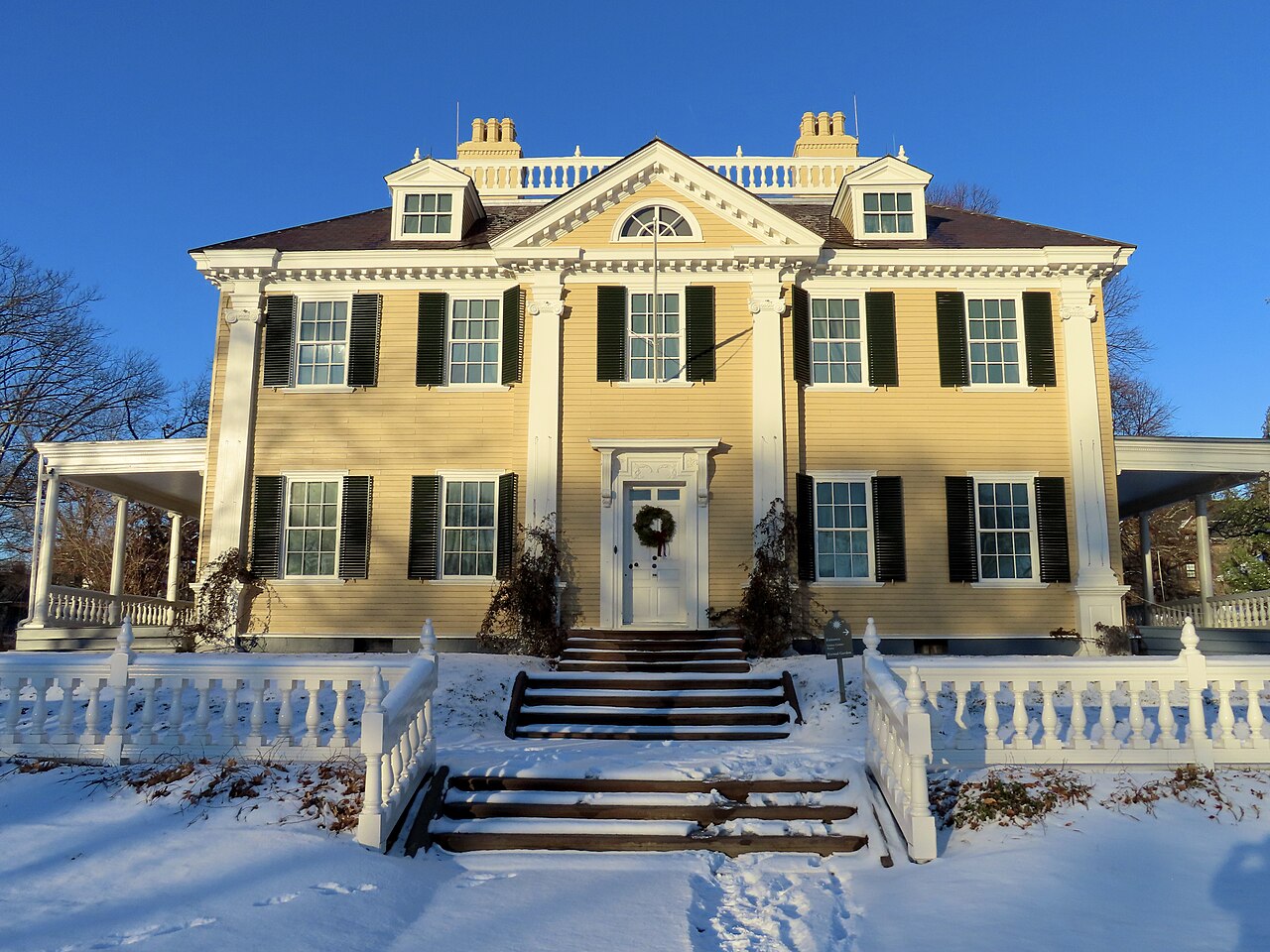
Life in Cambridge is often walkable and bike-friendly, with Red Line subway access through several squares and extensive Bluebikes coverage. Harvard Square is historic and busy; Central Square is eclectic and arts-oriented; Kendall Square is modern and biotech-focused; Porter feels more residential with strong transit; Inman is prized for restaurants and neighborhood scale. West of Harvard Square, Brattle Street (“Tory Row”) is known for large historic homes — including Longfellow House–Washington’s Headquarters National Historic Site.
Housing
Homes & neighborhood pockets
Housing ranges from historic single-family homes and triple-deckers to condominium conversions and new luxury buildings. Condos dominate in Kendall and parts of Harvard/Central; family buyers often look toward Porter, North Cambridge, Cambridgeport, Mid-Cambridge, and quieter residential pockets. Mid-Cambridge sits between Harvard and Central with a dense mix of apartments, condos, and Victorians. Parking is limited in many areas; living car-light is common.
Harvard Square / West Cambridge
Iconic and highly walkable — premium pricing, Red Line access, and historic streets including Brattle Street.
Central Square & Mid-Cambridge
Diverse restaurants, music venues, and varied housing between Harvard and Central with strong transit.
Kendall Square
Innovation district living with newer condos and a walk-to-work biotech/tech lifestyle.
Porter Square / North Cambridge
More residential feel with Red Line and Commuter Rail options, plus everyday shopping.
Inman Square
Neighborhood-scale dining scene and community feel; transit is more bus-oriented.
Cambridgeport
Residential streets near the Charles River with access to MIT and river paths.
Getting around
Transportation & commute
The MBTA Red Line serves Kendall/MIT, Central, Harvard, Porter, and connects toward Alewife and downtown Boston. Green Line service reaches East Cambridge at Lechmere. Buses fill gaps (including Inman). Biking is a major mode; Cambridge has among the highest bike-commute rates in Massachusetts. Drivers should expect strict parking rules and congestion — many households structure life around the T and bike lanes instead.
Outdoors
Parks & open space
- Charles River paths and parks
- Fresh Pond Reservation (north/west Cambridge)
- Neighborhood parks throughout the squares
- Linear Park connections near Porter
- Longfellow House grounds (West Cambridge / Brattle Street)
Daily life
Amenities
- World-class universities and cultural institutions
- Dense restaurant and café scenes by square
- Bookstores, theaters, and arts venues
- Bluebikes and extensive bike lanes
- Major employment centers in Kendall and beyond
Dining & shopping
Each square has its own dining identity — from Harvard’s mix of tourist and local spots to Inman’s restaurant concentration and Central’s nightlife. Everyday shopping varies by pocket; Porter offers a practical retail center, while specialty shopping is spread across the city.
Market
Real estate snapshot
Cambridge is one of the region’s most active and price-diverse markets. Condo vs. single-family strategy, square choice, and parking needs drive outcomes as much as finishes do. Inventory and competition change quickly; local representation helps buyers and sellers navigate timing and offer structure.
Schools
Finding school information
Cambridge has its own public school system and many private options. For official information, use Cambridge Public Schools and MA DESE. Neighborhood choice often intertwines with commute and lifestyle as much as school assignment — Delphine helps you sort those tradeoffs calmly.
Local perspective
Delphine on Cambridge
Cambridge is never “one search.” We start with how you want to live — quiet streets, restaurant nights, a bike commute, a condo near the T — then we narrow to the squares that actually match.
Talk to Delphine About This AreaHero photo: Longfellow House–Washington’s Headquarters, Cambridge, MA (Wikimedia Commons). Community information is compiled from publicly available municipal, transit, and education resources for general guidance only. Market conditions change; always verify details that matter to your decision.
Interested in Cambridge?
Delphine can show you available homes and share what life is really like in this community.