Loading…
Greater Boston · Massachusetts
Belmont
The “Town of Homes” — quiet residential streets with strong Cambridge access.
Overview
Living in Belmont
Belmont is a compact Middlesex County town of roughly 4.7 square miles (about 27,000 residents), bordered by Cambridge, Arlington, Watertown, Waltham, and Lexington. It is overwhelmingly residential, with small commercial squares rather than a large downtown. Many buyers look here for a calmer setting close to Cambridge and Boston, with two MBTA Commuter Rail stops on the Fitchburg Line.
Belmont’s day-to-day feel is quiet and residential. Community life clusters around Belmont Center, Cushing Square, and Waverley Square. Belmont Hill, in the northern part of town, is known for larger homes and lots. The Pleasant Street Historic District preserves a 19th-century residential streetscape of Georgian through Queen Anne homes overlooking approaches to Belmont Center. Open space includes Rock Meadow and connections into the Western Greenway trail network.
Housing
Homes & neighborhood pockets
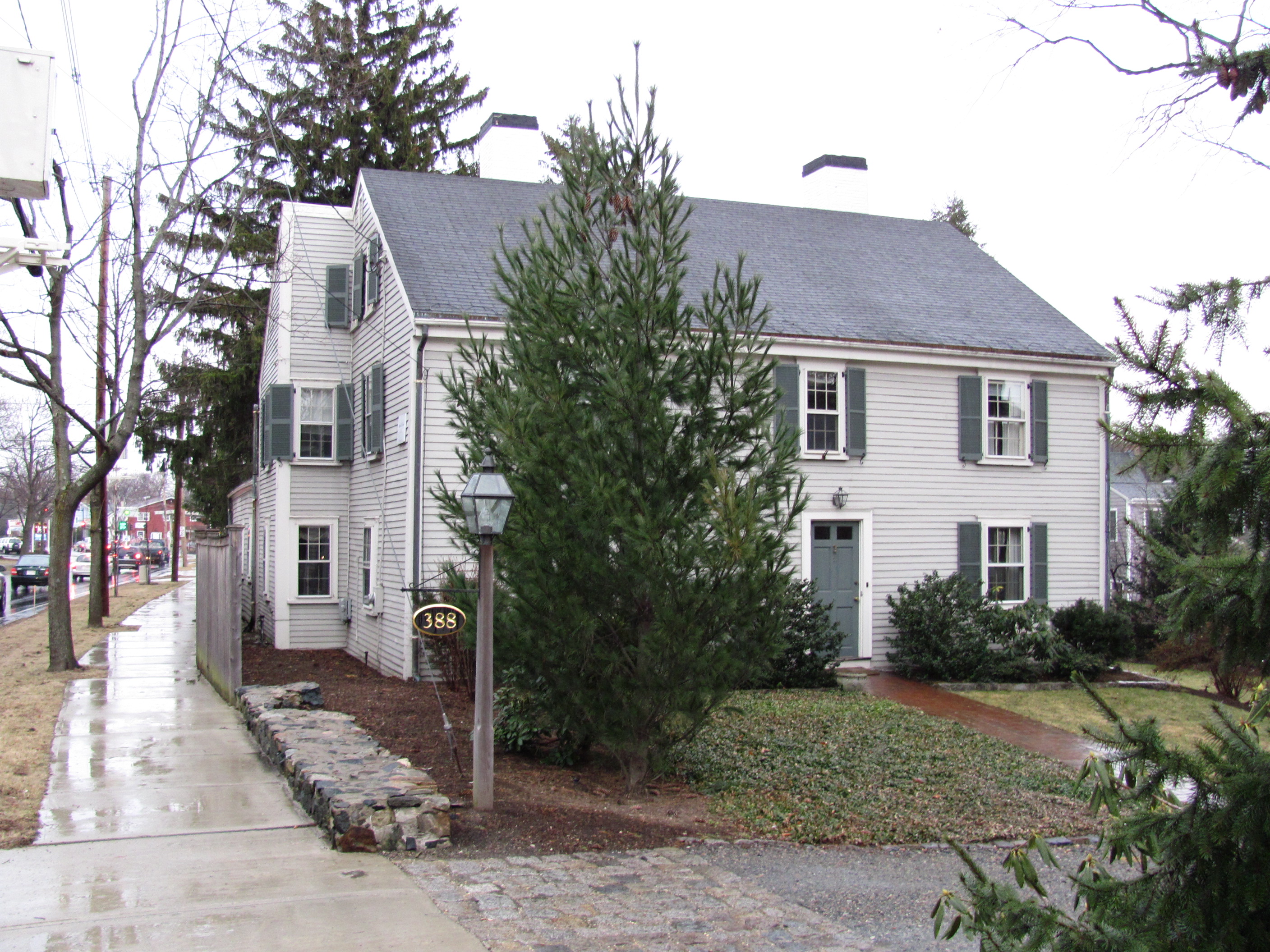
Expect a strong base of single-family homes — Colonials, Capes, and older New England styles — plus two-families and some condominiums near the squares. Belmont Hill typically offers larger properties; Waverley and parts of Cushing Square can feel denser and more commute-oriented. Newer mixed-use development has appeared in select square locations. Historic homes such as the Abraham Hill House on Pleasant Street reflect how deep residential character runs in town.
Belmont Center
Walkable village hub with shops, the library, and a Fitchburg Line station — convenient for car-light living.
Belmont Hill
Quieter, larger-lot residential area with a more private, suburban character.
Waverley Square
Commuter-rail neighborhood with denser housing options and a practical connection into Boston.
Cushing Square
Smaller commercial node with mixed housing and newer mixed-use buildings along Trapelo Road.
Getting around
Transportation & commute
Belmont has two Fitchburg Line stations — Belmont Center (near Common Street / Concord Avenue) and Waverley (in Waverley Square) — with typical rides into North Station often in the 15–25 minute range (confirm current MBTA schedules). Buses connect toward Harvard Square (including routes serving Belmont Center and Waverley). Route 2 and Route 60 support driving; Cambridge and Kendall Square are nearby outside peak congestion. Unlike Arlington, Belmont’s rail stops are inside town — walking distance to a station is a major lifestyle filter when house-hunting.
Outdoors
Parks & open space
- Rock Meadow Conservation Area
- Habitat Education Center & Wildlife Sanctuary (Mass Audubon)
- Western Greenway trail connections (accessible near Waverley)
- Beaver Brook Reservation / Clay Pit Pond area
- Neighborhood parks and school fields throughout town
Daily life
Amenities
- Belmont Center shops and services
- Cushing Square conveniences
- Waverley Square amenities near the rail stop
- Town library and civic services
- Pleasant Street Historic District streetscape
Dining & shopping
Dining and shopping are square-based rather than sprawling. Belmont Center is the primary village core; residents also use nearby Cambridge, Arlington, and Watertown for broader restaurant and retail choices.
Market
Real estate snapshot
Belmont is consistently competitive, driven by location and residential character. Recent comparative snapshots have often placed Belmont’s median sale prices above Arlington and below Lexington. Demand frequently focuses on Belmont Center, Belmont Hill, Waverley, and Cushing Square. Homes that are well prepared and realistically priced tend to draw serious interest; buyers should be ready with clear financing and priorities.
Schools
Finding school information
School quality is a frequent reason families consider Belmont. For facts — not rankings based on protected characteristics — review Belmont Public Schools and MA DESE profiles. Delphine can help map addresses to attendance patterns and daily logistics.
Local perspective
Delphine on Belmont
Belmont rewards a careful, listening-first search. Some clients want Belmont Center walkability; others want the privacy of the Hill. We clarify that early so showings stay focused and calm.
Talk to Delphine About This AreaHero photo: Abraham Hill House, Belmont, MA (Wikimedia Commons / John Phelan). Community information is compiled from publicly available municipal, transit, and education resources for general guidance only. Market conditions change; always verify details that matter to your decision.
Interested in Belmont?
Delphine can show you available homes and share what life is really like in this community.